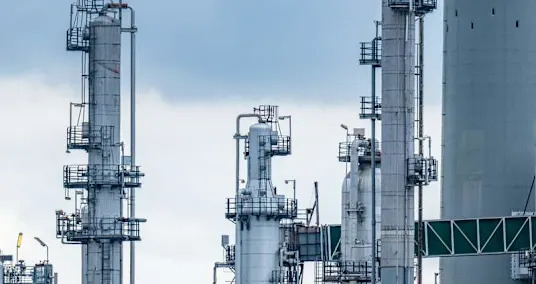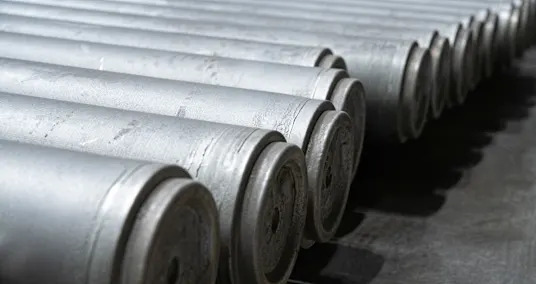
Fears of global aluminium shortages that could affect the production of clean energy technologies intensified after Iran struck two major Gulf aluminium producers, sending prices to a four-year high. The Middle East accounts for 9% of the world’s production of aluminum, which is essential to a wide range of industries from transportation, construction, and packaging, as well as the manufacture of solar panels, electrical transmission systems, wind turbines, and EVs.
Export shipments to the US and Europe had already come to a halt because of the effective closure of the Strait of Hormuz, and Morgan Stanley economists singled out aluminium as carrying a high level of risk across the value chain. Andy Farida, an aluminium analyst at Fastmarkets, told Semafor that high prices would be passed on to end-users, ultimately causing demand destruction. “A prolonged shutdown (with little to no alternative supplies other than Russia and China) could cripple the supply of aluminium to support the production of clean and green technology,” he said, adding that relief could come “if governments allow some sanctioned Russian and Chinese aluminium to be imported.”

LATEST POSTS
- 1
 Nexi expands alliance with PayPal
 - 2From Modesty to Administration: Self-improvement in Interactive abilities
- 3Well known SUVs With Low Energy Utilization In 2024
- 4Everyday Seasonal Positions That Compensate Fairly in the US
- 5Robert Pattinson claims he's a pathological liar. What 'The Drama' star has said about his 'shtick'




- Pick Your Number one sort of blossom
- Poll: 62% of Americans would oppose U.S. military action in Greenland
- America's Confided in Fridge in 2024
- Environmental groups urge Germany to cut oil and gas dependence
- Air New Zealand cuts flights and hikes fares as fuel prices surge
- Little Italy Mercato brings fresh food and community to downtown San Diego
- Audits of 6 Specialty Mixed drinks
- Sudan war ‘being fought on women’s bodies’: Survivors detail sexual assault
- Nepal’s youngest premier sworn in after releasing new rap song about unity