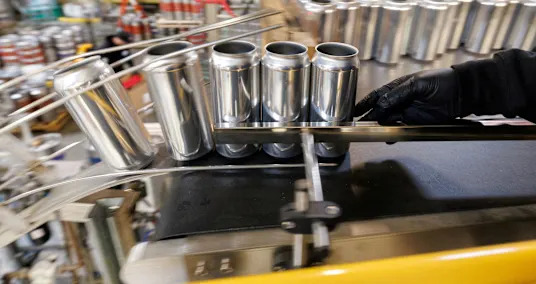
The Gulf’s 3.5 million tonnes of aluminum output is at risk because of the Iran war, and could trigger a global supply crisis according to analysts Wood Mackenzie.
Emirates Global Aluminium has halted operations in Abu Dhabi, after its Al Taweelah site sustained “significant damage” during an Iranian attack on March 28. That takes 1.6 million tonnes a year of production offline and it could take a year to repair. Aluminium Bahrain (Alba)’s facility was also hit by Iran on March 28 and its 1.6 million-tonne-a-year plant may now be working at just 30% of capacity. Qatar’s Qatalum is operating at around 60% capacity.
The Gulf accounts for around 23% of global, non-China aluminum production. Most Gulf output is sold overseas and the regional crisis is having a knock-on effect globally. Aluminum is in high demand from fast-growing industries such as electric vehicles, solar panels, wind turbines, and data centres. Prices are now at their highest level in four years.
LATEST POSTS
- 1
 Tech Development Disclosed: A Survey of \Usefulness and Configuration in Concentration\ Tech Item
 - 2Astronauts beam home Christmas wishes from International Space Station: 'I think we may be orbiting a little higher than Santa' (video)
- 3Pick Your Top Method for starting the Morning
- 4Banks for High Fixed Store Rates: Amplify Your Reserve funds
- 5Lower-cost space missions like NASA's ESCAPADE are starting to deliver exciting science – but at a price in risk and trade‑offs


- Instructions to Pick the Ideal SUV Size for Seniors
- 37 Things Just Individuals Experiencing childhood during the 80s Will Comprehend
- The Eastern Bongo, Kenya’s Rare Forest Antelope on the Brink
- Social Skylines d: A Survey of \Inside and out Social Experiences\ Language Learning Book
- Chief of Staff Zamir warns IDF will collapse due to lack of manpower, raises 'ten red flags'
- 6 Web-based Staple Help You Can Trust
- Want to be better about saving money in 2026? Try these money-saving tips for having a ‘low-buy’ January and beyond
- Weight-loss pill approval set to accelerate food industry product overhauls
- Extravagance SUVs for Seniors: Solace, Innovation, and Security