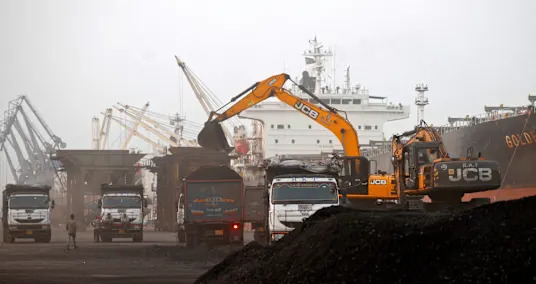
India’s much-delayed 2035 climate plan underestimates the country’s clean energy potential and allows for an acceleration of emissions growth, according to analysts. The plan aims to reduce the emissions intensity of its GDP by 47% from 2005 levels and increase the share of its electricity capacity from nonfossil sources to 60% by 2035.
The reduced carbon intensity target would, however, still allow India’s carbon emissions to increase by 70% over the next decade if GDP grows at a target rate of 7% per year, Lauri Myllyvirta of the Centre for Research on Energy and Clean Air told Semafor. That would translate to emissions growth of 5.5% per year, above the average rate of 3.5% over the past decade.
India is also on track to achieve its clean power capacity target well ahead of time: Its Central Electricity Authority projects that nearly 70% of power capacity will come from nonfossil sources by 2035-36.
“India’s booming clean energy industry is highly likely to deliver much faster progress than policymakers were prepared to commit to,” Myllyvirta said. Disruptions to oil and gas flows caused by the Iran war and the competitiveness of clean energy could strengthen the case for accelerating renewable deployment.
LATEST POSTS
- 1
 Israeli strikes on Beirut, as Hezbollah and Iran attack Israel
 - 2AI is making spacecraft propulsion more efficient – and could even lead to nuclear-powered rockets
- 3Artemis 2 astronauts fly around the moon in record-breaking lunar loop by NASA
- 4'Euphoria' Season 3 trailer includes Eric Dane's final appearance, Jacob Elordi and Sydney Sweeney at the altar and Rue's 'Breaking Bad' era
- 5Iran plans new restrictions in overhaul of Strait of Hormuz rules



- Overlooked infertility care should be part of national health services, says WHO
- Supportive Tips On Home loans For First-Time Home Purchasers
- Figure out How to Modify Your Pre-assembled Home for Greatest Solace and Stylish Allure
- What is the Significant Tech Expertise to Master Today?
- Hilary Duff announces new album ‘Luck… or Something,’ her first in over 10 years: ‘Excited is the largest understatement’
- Land Rover Just Unveiled Its Dakar Rally Defender
- Rediscovering Imagination in Adulthood: Individual Creative Excursions
- Terminal cancer diagnosis announced by JFK's granddaughter
- Novo Nordisk gears up for December Ozempic launch in India, sources say


